Last week as we were wrapping things up for the school year at end of year teacher meetings the topic turned to technology changes we will be making over the summer. Through
Computers For Learning, a federal program providing surplus computer equipment to schools from federal government offices, we will be tripling our districts number of student use computers. We are also upgrading our servers, switches, and hubs including the server that our terminal computers run from. We are also switching all student use machines to open source software. Last year the two big initiatives were SMARTboards and laptops for teachers. Almost every teacher got a SMARTboard for their classroom and a laptop by the end of this year. However, there still were some classrooms that for both functional and budgetary purposes went without one or the other (or both).


After our tech people (including me) presented a synopsis of what to expect in the fall one of the teachers who did not get a SMARTboard asked if the district would be purchasing any new boards for next year. Now I have never been a huge supporter of SMARTboards as a caveat for student engagement. They are expensive and the payoff I have always suspected is not nearly as great nor is as learner centered as other investments that put the technology in the hands of the students rather than the teachers. However, I do see the benefits after watching the majority of our staff put them into action this past year.
After explaining to the teacher that it is not in the tech budget but that she could request one from the administration or pay for one out of her own budget I offered her another solution. Rather than spend the $1500 or so on a SMARTboard that can only track one pen or touchpoint at a time I could install a
Wii Remote interactive whiteboard for her that could track 4 simultaneous points for under $100. She declined. This makes me wonder if she really wanted one of these interactive whiteboards because she knows how it could improve student learning in her classroom or if she just wanted one because other teachers had one and she didn't. However, that is for another post.
This got me thinking. The original reason for the SMARTboard initiative was to improve or increase student engagement in the classroom. Now I must add that this initiative was begun before I was brought on board but it has been my responsibility to help show teachers how to use this tool to engage students. It seems to me that, with the exception of interactive learning games and exercises that rely on a single click interface where one student can be in control at a time, the SMARTboard (and other brands of interactive whiteboards) are largely a teacher tool and not a student tool. The type of engagement they improve is engagement as consumers.
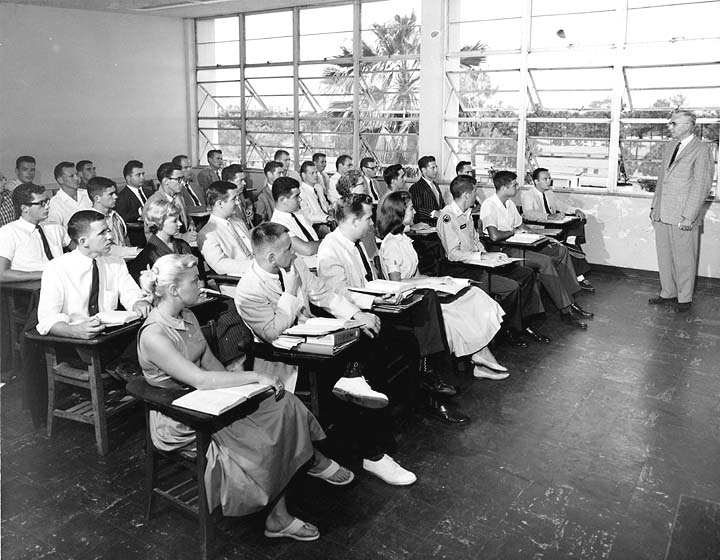
The question of engagement has long been looked at in education as something more along the lines of entertainment or edutainment. "How am I going to engage my students?" too often becomes "How am I going to keep my students entertained?" This definition of engagement fits well with those educators who look at teaching as performance. If you feel the engagement level of your students is directly related to how entertaining your presentations, lectures, and class demonstrations are than the SMARTboard is truly your allay. More so is the projector you need to make it work. You can show educational videos on it (you can also do this with a TV/DVD player), you can show PowerPoint presentations without needing to go back to your computer to change slides (you can also do this with a $10 clicker), you can write notes and diagrams on it and have the computer convert your handwriting to print (marginally helpful), and you can save what you wrote on the board as a PDF file that you can send to others or put on your teacher website (you can do this with any PC by pressing "Print Screen"). For a meager $1500 plus the additional $1000 you have to spend on the projector, you can have a nice tool that can make your 20th century teaching style look real professional.
However, is this engagement or entertainment? One could argue that when students are entertained they are engaged but is entertainment really what they come to school for? The real smart ones end up dropping out when they realize they can get better entertainment at home watching television, playing video games, and chatting with friends online. It is nice when we are entertained but what people go to school for is learning (or at least it should be) and entertainment should never get in the way of that. There must be a better way to engage students without having to make it look like entertainment.
Maybe we need to stop thinking of engagement as being akin to entertainment and start thinking about the things we do that we find engaging. What are the qualities of those things? I am engaged when I am doing my taxes but I certainly am not entertained. I am engaged when I am planning a camping trip but I don't find this entertaining. I am engaged when I am editing Wikipedia though I can't say this much ever feels like entertainment. I am engaged when I am working on a home improvement project but I certainly never find it entertaining. What is common about all of these activities? The only conclusion I derive is all engaging tasks require something meaningful of me. I am not passive when I am engaged. The times I can think of watching TV or watching a movie when I am engaged I am engaged because mentally I am doing something. I am analyzing the plot or I am comparing and contrasting what I see with what I already know, or I am finding information there that can support one of my other projects I am working on or it meaningfully informs something else I am interested in. Any way I look at it, engagement comes from my own activity in something.
This is why students drop out of high school, this is why some sleep in class, this is why SMARTboards rarely cure a teacher's problem with engagement in the classroom. Because, as soon as the novelty of the new wares off you are still left with trying to guess what to show to a class that will make them actively engaged mentally. It is much easier to achieve an engaged student by presenting them with problems to solve or projects to work through. It is far easier and more effective to think of how you are going to engage your students as producers of products and knowledge than how you are going to engage them as of consumers of information.


Now, if you have $2500 to spend on technology for your classroom with the goal of improving student engagement with it there are quite a few options you have that are likely to produce better results than a SMARTboard and projector. $2500 will buy a class set of digital cameras, or it will buy six Asus eee laptops, or it will buy quite a few digital audio recorders, or it will buy a printer that will print poster size images, or it will buy a ton of Legos (have you ever seen a kid not engaged with Legos?). I could go on and on.

The point is, when you are talking about how to get more student engagement in your classroom you need to think about what the students are going to be engaged with, not how the teacher is going to be engaging for the students. If you have the dollars to supply both student-based and teacher-based technology to support engagement than by all means purchase an interactive whiteboard. They are cool and there is a lot of good you can do with one. However, please don't neglect needs to get at the wants.


 anderscj